Gugugaga Wiki: From Baby Babble to Penguin Memes

Gugugaga is both a baby-babble sound and the name of a round penguin. This guide separates the two lineages.

Most people assume Gugugaga is a penguin call. It is closer to baby babble. The word and the character are two different lines, and mixing them makes the story confusing.

We start with etymology, then the penguin design, the Tomori fan lineage, common spellings and usage.

Character profile

Gugugaga is a transliteration of the English babble Goo Goo Ga Ga. In meme context it means the round cartoon penguin used to express "no idea" or read-and-ignore.

Etymology
Goo Goo Ga Ga
Character
Cartoon penguin
Fan lineage
Tomori penguin
Variants
Gugu Gaga / Gu Ga
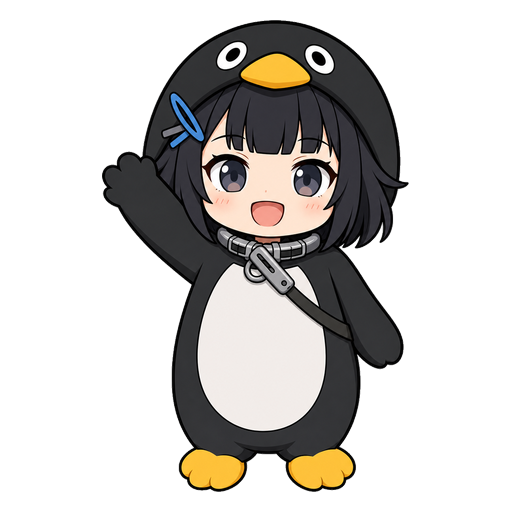
Sticker · Waving Hello

One Gugugaga, several spellings

These are the terms that actually match in search.

LanguageCommon nameSearch terms
Chinese咕咕嘎嘎姑姑嘎嘎 · 咕嘎 · 凑企鹅
EnglishGoo Goo Ga Gagugugaga penguin · Gugu Gaga meme
Japaneseグーグーガガググガガ · 高松灯ペンギン
Korean구구가가구구가가 펭귄 · 토모리 펭귄
Often confusedGugugaga kid / red-hat babyA separate sound meme, frequently mixed up
Browse all assets

193 in total

Back to the hub

Character profile, featured images and all entrances

What does Gugugaga mean?

Gugugaga is the Chinese transliteration of the English babble "Goo Goo Ga Ga", originally used to imitate a baby learning to speak, and later to play dumb or act cute. In meme context it also names the round cartoon penguin with earmuffs and a scarf.

Etymology: from baby babble to playing dumb

In English, Goo Goo Ga Ga is used to tease babies and later became a tone of "I am not going to take this seriously". Chinese internet users transliterated it as 咕咕嘎嘎, 姑姑嘎嘎, 咕嘎 and other spellings — all carrying the same mood: brain offline, refusing to argue.

Where the penguin came from

The penguin seen in most memes comes from the cartoon character at gugugagapenguin.com: round body, short wings, earmuffs and a scarf. It is an independent character, cut into reaction images because of its deadpan face and the manic voice attached to it.

Takamatsu Tomori and the penguin fan edits

In BanG Dream! It's MyGO!!!!!, Takamatsu Tomori loves penguins and collecting stones. Fans spliced her head onto the Madagascar penguins and added an AI "Gugugaga" voice; the edits took off on Bilibili and spawned the "Tomori penguin" series plus an Endfield admin-penguin variant.

Why it became the "read and ignore" reaction

The penguin's face naturally says "I do not understand and I do not care": a tilted eye and an open beak shut down a long lecture. Paired with lines like "I do not understand, I am just a little penguin", it became the go-to way to end a group-chat thread.

Names and usage

Common spellings include Gugugaga, Gugu Gaga, Gu Ga and "Gugugaga kid"; anime circles also call it the Tomori penguin. Sticker packs are for daily spamming, memes for read-and-ignore, wallpapers and line art for personalization and printing.

Questions about this page

What is the Gugugaga meme?

It is a transliteration of the English babble Goo Goo Ga Ga; in meme context it refers to the round cartoon penguin used to express "I do not get it" or read-and-ignore.

What is the penguin called?

There is no single official Chinese name; people simply call it the Gugugaga penguin. The design comes from gugugagapenguin.com.

What is the Tomori penguin edit?

A fan edit of Takamatsu Tomori from BanG Dream! It's MyGO!!!!!: her head is spliced onto a Madagascar penguin with an AI Gugugaga voice, forming the Tomori penguin series.

Is Gugugaga related to Pepe the Frog?

Not directly. Pepe is a separate meme lineage; Gugugaga is built on baby babble and the penguin character.

Are Gugu Gaga and Gu Ga typos?

They are common variant spellings of the same meme; people use all of them in search.

What is the "Gugugaga kid"?

One reading points to the red-hat baby meme that imitates babble; another is a literal association with the sound. The two are often mixed up.

Can I use these assets commercially?

Assets here are free for personal chats, remixes and printable coloring. Contact the original sources for commercial licensing.